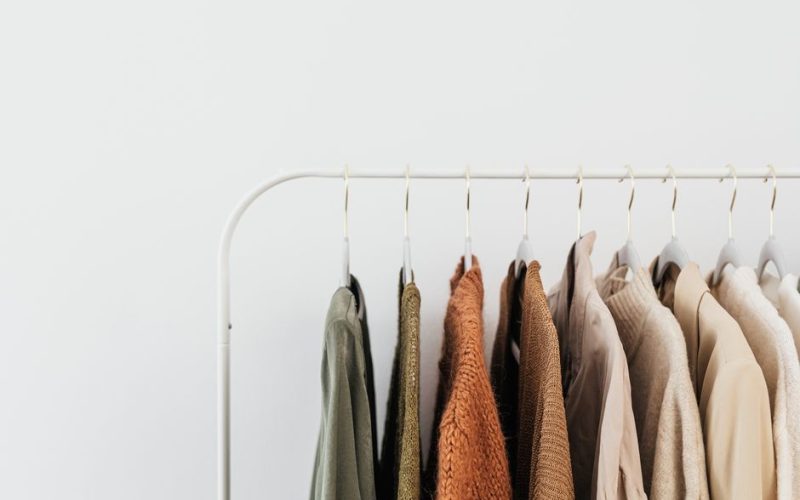
Learning how to try fashion trends does not require a spending spree or a complete wardrobe overhaul. Fast fashion cycles move quickly today, creating constant pressure to buy new clothes every season. However, thoughtful personal styling offers a far more sustainable path forward. By analyzing core design elements like silhouette, color schemes, and layering, anyone can reinterpret modern runway looks using existing garments. This reportage explores how simple styling adjustments can revive older clothing pieces while keeping your daily outfits fresh, intentional, and contemporary.
Deconstructing Modern Fashion Aesthetics
Fashion cycles currently move at an unprecedented speed. New aesthetic trends emerge weekly across digital platforms, making it difficult to keep up. However, beneath the clever marketing labels lies a simple reality. Most new trends are merely reconfigurations of classic design elements, textures, and traditional color combinations.
To adapt these styles at home, you must first deconstruct the overall look. Identify the core components of the aesthetic that catches your eye. Is the trend defined by structural tailoring, specific color contrasts, or dramatic proportions? Once you isolate these visual triggers, you can evaluate your existing wardrobe with a fresh perspective.
Many contemporary looks rely on basic staples that most people already own. White button-down shirts, straight-leg denim, and tailored blazers form the structural backbone of numerous viral aesthetics. By analyzing the basic framework of a trend rather than focusing on specific brand names, you unlock endless creative possibilities within your own closet.
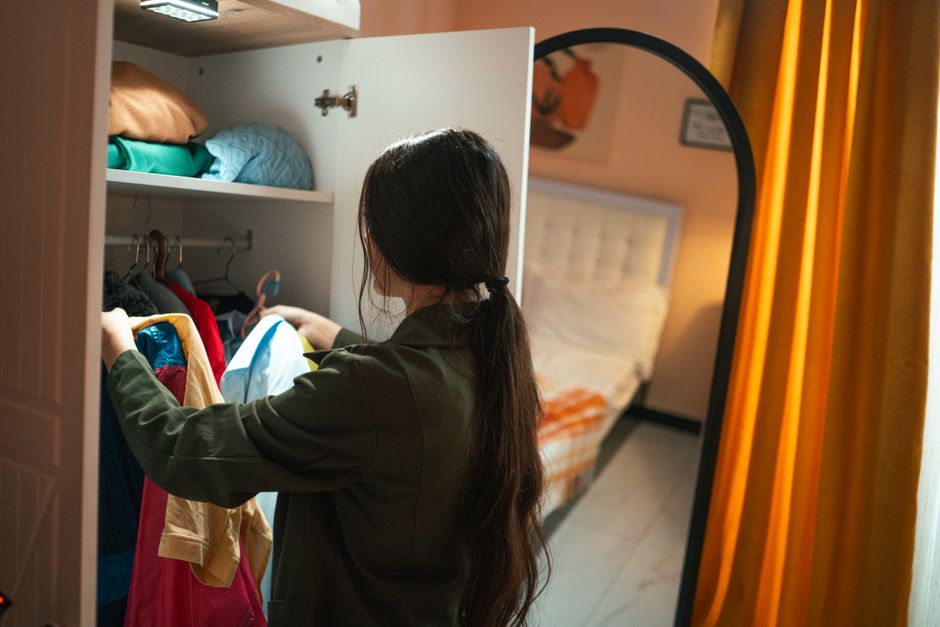
How to Try Fashion Trends with Existing Silhouettes
Altering the silhouette of your clothing is one of the most effective ways to refresh an outfit. Proportions play a massive role in defining modern aesthetics. You can change how a garment sits on the body without making any permanent alterations to the fabric.
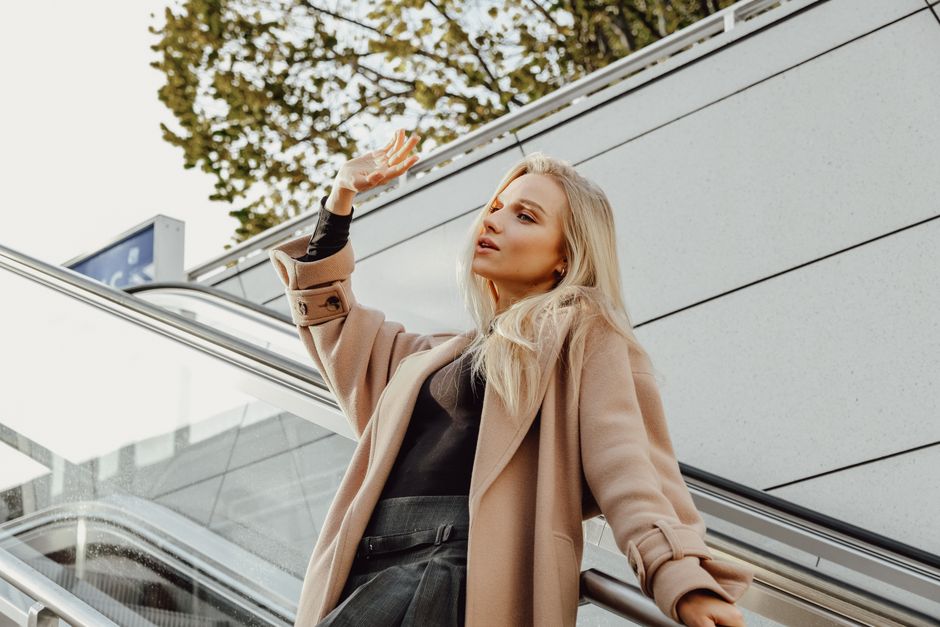
For instance, oversized silhouettes often dominate modern street style. If you want to know how to try fashion trends centered around relaxed tailoring, look into your existing outerwear collection. Styling a larger blazer or an oversized knit coat over fitted base layers instantly creates a modern proportion contrast.
Tucking techniques also dramatically alter garment structure. A loose French tuck or a crisp high-waisted tuck shifts the focal point of a simple sweater. Similarly, cuffing trousers or rolling up button-down sleeves adds deliberate texture and relaxed intent to structured pieces.
Belting is another versatile styling tool. Cinching an oversized cardigan or jacket at the waist completely reshapes the garment. This simple adjustment creates an architectural silhouette reminiscent of high-fashion runway presentations without requiring a new purchase.
Rethinking Color Combinations and Layering
Color choices heavily influence how modern or dated an outfit appears. Trends often gain traction simply because of an unexpected color pairing. You can easily mirror these aesthetics by reorganizing how you pair items already hanging in your wardrobe.
Monochromatic styling remains a classic technique across major design houses. Pairing different shades of beige, grey, or black creates an elevated, cohesive appearance. Look through your garments to find tonal matches you have never paired together before.
Strategic layering further enhances visual complexity. Wearing a fitted turtleneck beneath a summer slip dress or layering a structured vest over a basic shirt adds depth. These combinations transform standard garments into complex, fashion-forward ensembles.
Textural contrasts also elevate simple outfits. Combining rough denim with soft knits or pairing smooth leather with lightweight cotton creates dynamic visual interest. Texture variation makes traditional clothing feel intentional and aligned with current design preferences.
Maximizing Accessories and Personal Expression
Accessories serve as powerful contextual tools within modern fashion movements. Footwear, belts, bags, and jewelry determine the overall tone of an outfit. Changing these secondary elements allows a classic ensemble to shift seamlessly between casual, formal, or retro styles.
For example, pairing classic trousers with casual sneakers creates an effortless, contemporary aesthetic. Conversely, adding structured leather boots and a minimalist belt elevates the exact same trousers into sharp formal wear. Small details change the entire narrative of your clothing.
Understanding how to try fashion trends through accessories reduces impulse buying. Experimenting with shoe pairings, jewelry stacking, or scarf placement allows you to participate in modern style culture while maintaining your personal authenticity and budget.
Ultimately, fashion is a form of self-expression rather than a endless list of consumer requirements. Reimagining your existing clothes fosters personal creativity and builds a more sustainable relationship with your closet.